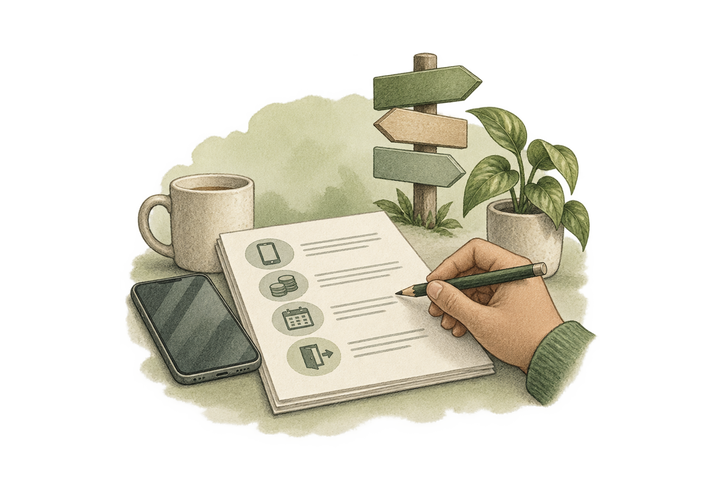
Imagine you are on your lunch break in a busy phone shop. The salesperson turns the screen towards you and says, “Just sign here.” Two people are waiting behind you. The offer looks simple, and you do not want to seem difficult.
You pause and say, “Can I read the terms first?”
That small pause matters. A rushed agreement can create costs and limits that last long after the awkward moment passes.
A low monthly price
Suppose the advert in the window shows a cheap monthly plan. That is why you came in. You have just started a job, or your income is not fully settled yet, and you need your spending to stay steady.
The salesperson points to the monthly price again. “Most people take this one.”
You scroll through the details on the screen. You find a setup fee, a minimum contract period, and a charge for leaving early.
You look up and ask, “What would I pay if I had to stop after three months?”
The salesperson taps through the figures and tells you. The answer is much higher than you expected.
There is another option with a higher monthly price but no long commitment. It is not the best choice for everyone, but if your work still feels uncertain, it may fit better.
You choose the plan that you could still manage if your situation changed. You do not get a perfect deal. You simply avoid one that would be hard to carry later.
What we can learn
Start with the basic exchange. What are you promising to pay, do, or accept? What is the other side promising to provide? If you cannot explain that in your own words, pause and ask again.
Then look past the first number you see. Setup fees, deposits, regular charges, price changes, and late-payment costs can turn a manageable agreement into a difficult one. Protect money needed for food, housing, and necessary care before taking on extra commitments.
Also check the ending, not only the beginning. A minimum term, automatic renewal, notice period, or early-exit charge can matter as much as the monthly price. One realistic question — “What if I need to stop early?” — can reveal the part that affects your life most.
If someone makes an important promise, ask for it in writing and keep a copy you can access. Do not sign a blank or unfinished document. For a confusing or important agreement, local consumer support, a worker organisation, a trusted adult, or a qualified adviser may help explain your options. Rules differ by place, and there is not always a cooling-off period or an automatic refund.
Clicking “agree” can also create obligations, so check the terms and local rules before accepting online.
Try this today
Choose one agreement you already have, or one service you might use. In a note, write three lines in your own words: “I pay...”, “They provide...”, and “To end it, I must...”. If one line is unclear, treat that as a sign to ask before agreeing.