Imagine you are presenting a neighbourhood survey at a meeting. The organiser says, “This is excellent work. How did you put it together?”
Everyone is looking at you because you are standing at the front.
Then you notice one colleague closing a notebook. That person spent two evenings visiting shops and checking the answers. Another colleague built the simple table that made the results understandable. You did prepare the presentation. But being the speaker can make your part look like the whole job.
Name the work behind the result
You could say, “Thank you. One colleague collected and checked the responses. Another organised the figures. I prepared these slides from their work.”
The organiser may then ask, “What did the shop owners say about opening hours?” Your colleague opens the notebook again and explains which answers were uncertain and which questions people found difficult. The group now understands the results better, not just the slides.
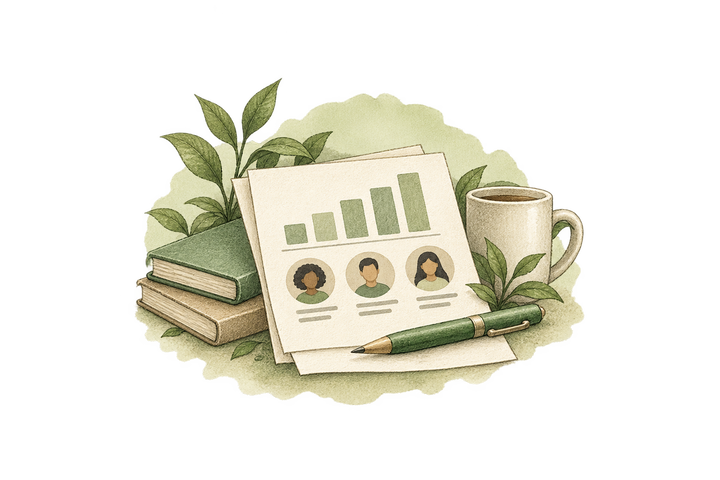
Afterwards, you notice a chart being prepared for the community website. Only your name appears beneath it.
You say, “It probably came from the presentation file. I will ask them to update it.”
You send a short correction that names each contribution. Before the chart goes online, you check how the others want to be credited. One person prefers a first name only. You respect that.
This does not reduce your effort. It makes the account more accurate. Next time, you add a small contribution note before the work is shared, so credit does not depend on remembering it during applause.
What we can learn
People often notice the speaker, the final document, or the person who sends the message. They may never see who gathered the information, solved a problem, translated a paragraph, or quietly checked for mistakes.
Specific credit helps others understand who did what. “Everyone helped” may sound polite, but “my colleague checked the figures” makes a real contribution visible. That can matter when someone is trusted with another task or invited into future work.
You do not need to erase your own part in order to be fair. “I wrote the report using the research our team collected” is honest about your effort and theirs.
If you notice missing credit, correct it plainly. “One thing I should add: this idea came from my colleague” is usually more useful than staying silent and hoping your appreciation is understood.
Ask before publicly naming someone or sharing personal details. Some people need privacy or do not want public attention. Recognition also does not replace permission, agreed payment, or fair treatment. Thanks are part of respect, not a substitute for other responsibilities.
If your own contribution is missed, you can say so calmly: “Please add that I prepared the research.” You are allowed to describe your work honestly.
Try this today
Before you send or present one shared piece of work, add one accurate line that names a contribution that might otherwise be missed.